Game drives
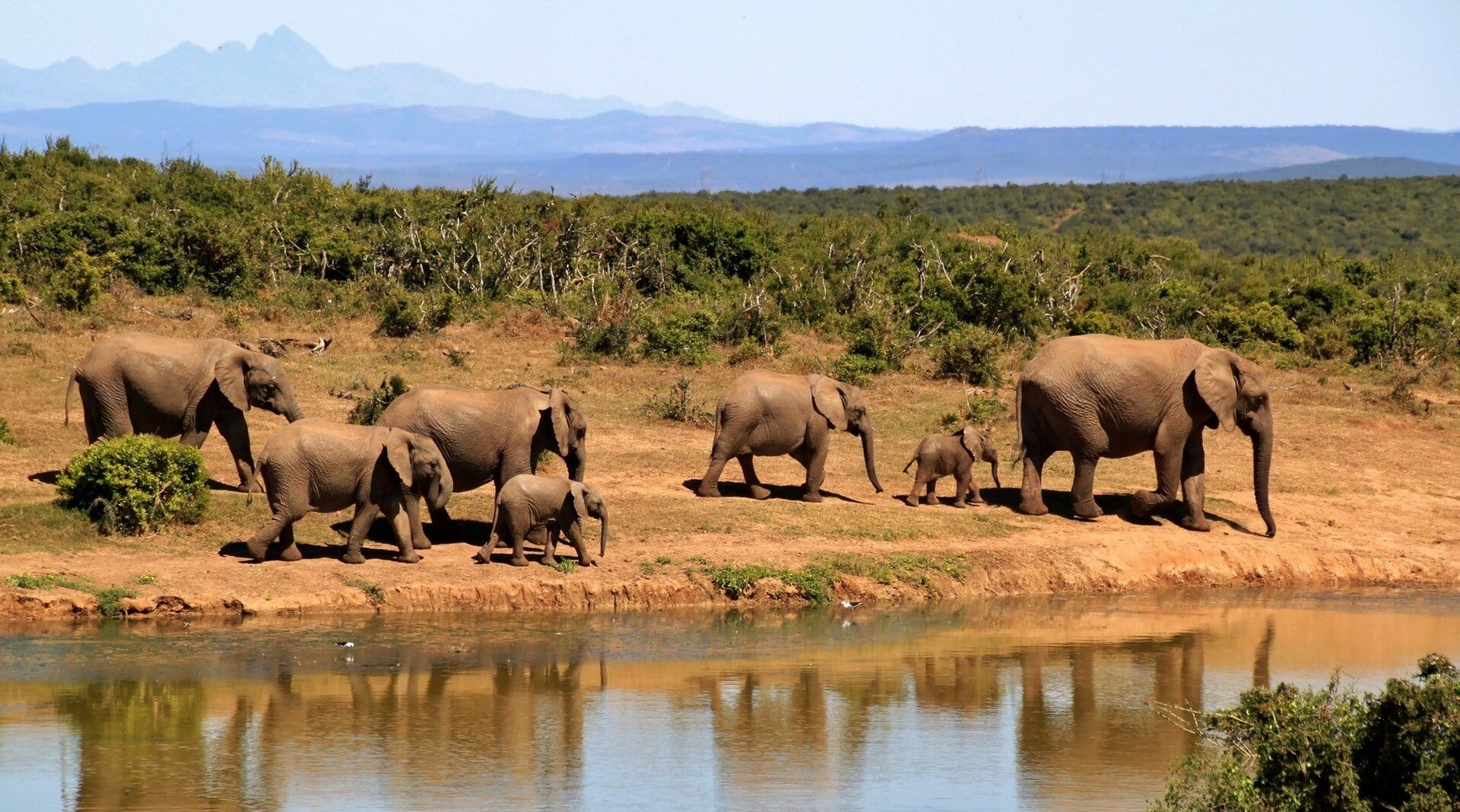
Drives cover woodland, open clearings, lakes and river edges. Lion, elephant, buffalo, giraffe and wild dog are important possibilities, but the park rewards patient searching.

Nyerere is built around water as much as roads. Game drives explore woodland and open country, while boats move along the Rufiji River system past hippos, crocodiles and riverbank wildlife.
The northern part of Nyerere is the main visitor area, with the Rufiji River, channels and oxbow lakes breaking up a huge expanse of woodland. That water gives the park a character you do not get on a standard northern-circuit route.
A morning can be spent tracking wild dog or lion by vehicle, while the afternoon is on a boat watching hippos, crocodiles, elephants and birds along the bank. Guided walks are also available through selected camps. The variety is Nyerere’s strongest reason for being in an itinerary.
The park was established in 2019 from part of the former Selous Game Reserve. You will still hear the visitor area called “the Selous”, especially in older camp names and travel material. Nyerere National Park and the remaining Selous Game Reserve are now separate protected areas, so we use the current park name and check exactly where each camp operates.
Not every camp offers every activity in the same way. We check what is included, whether activities are private or shared and what works for the ages and interests in your group.
Drives cover woodland, open clearings, lakes and river edges. Lion, elephant, buffalo, giraffe and wild dog are important possibilities, but the park rewards patient searching.
Boats travel sections of the Rufiji and associated waterways where local conditions allow. Hippos, crocodiles, waterbirds and animals coming to drink make this more than a scenic cruise.
Walks focus on tracks, plants, insects, birds and how the ecosystem works. They are led by authorised guides and depend on camp arrangements, age limits and conditions.


Nyerere can be rewarding beyond the peak months, but roads, camp openings and boat conditions all change with the rains. We check the exact camp and operating period before proposing it.
The main dry-season period. Wildlife becomes more dependent on permanent water, roads are generally easier and most camps are operating. September and October are hot.
Green landscapes, good birding and fewer visitors. Many areas remain accessible, although rain can alter roads and wildlife distribution. March to May is the period when more camps close.
Nyerere combines especially well with Ruaha National Park. It can also be a short fly-in safari from Dar es Salaam or joined to Zanzibar, subject to the current flight timetable. For the wider country, see our Tanzania safari guide.
Scheduled flights from Dar es Salaam are the usual approach, with seasonal links to Ruaha, Zanzibar and sometimes the northern circuit. Road travel is possible, but it needs more time and road conditions must be considered.
Camps vary in their access to the Rufiji, lakes and game-drive areas. Some place more emphasis on boats, others on drives or walking. A low headline rate is not useful if the activities you came for are extra, shared in a way you did not expect, or far from camp.
Nyerere National Park was created in 2019 from part of the former Selous Game Reserve. The remaining Selous Game Reserve and Nyerere National Park are separate protected areas. Older travel material and camp names may still use “Selous” for the northern visitor area.
Three nights is a useful minimum. Four gives more flexibility for game drives, a boat trip and a walk without trying to fit every activity into a single day.
They are a major reason to visit, but routes and timings depend on water levels, local conditions and the camp’s operating arrangements. We confirm what is available before booking.
Yes, and it can be a practical bush-and-beach combination through Dar es Salaam or on direct seasonal flights. We check the actual timetable before fixing the order of the trip.
The wider ecosystem supports African wild dogs and Nyerere is one of Tanzania’s important areas for them. Packs range widely, so sightings are never guaranteed.
Some camps close during the main rains, often for part of March, April or May, but dates vary. We check each camp’s opening calendar and the current access situation.
Tell us your dates, number of nights and whether boats, walking or private game drives matter most. We will check the right camp area, current flights and availability.