Game drives
Most days are built around private drives along the Great Ruaha, Mwagusi and other seasonal river systems. Early starts help with predators and cooler conditions.

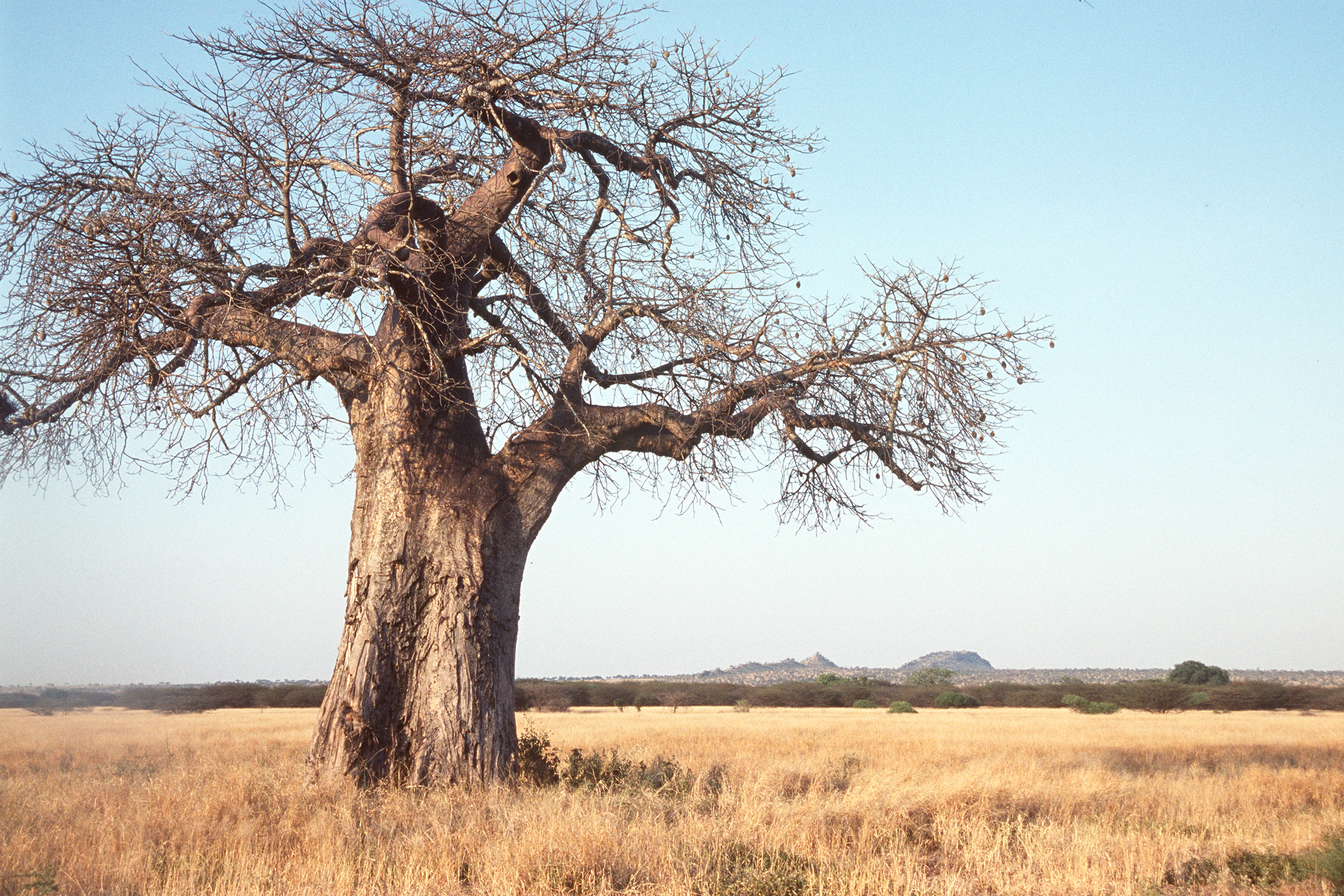
Ruaha is a vast park of baobabs, sand rivers and rocky hills. It suits travellers who value time in one place, strong guiding and the chance to watch a sighting without a line of vehicles arriving behind them.
Ruaha is not a shorter version of the Serengeti. The country is drier, the distances are larger and much of the park is miombo woodland. You come here for the park itself rather than to tick off a northern-circuit list.
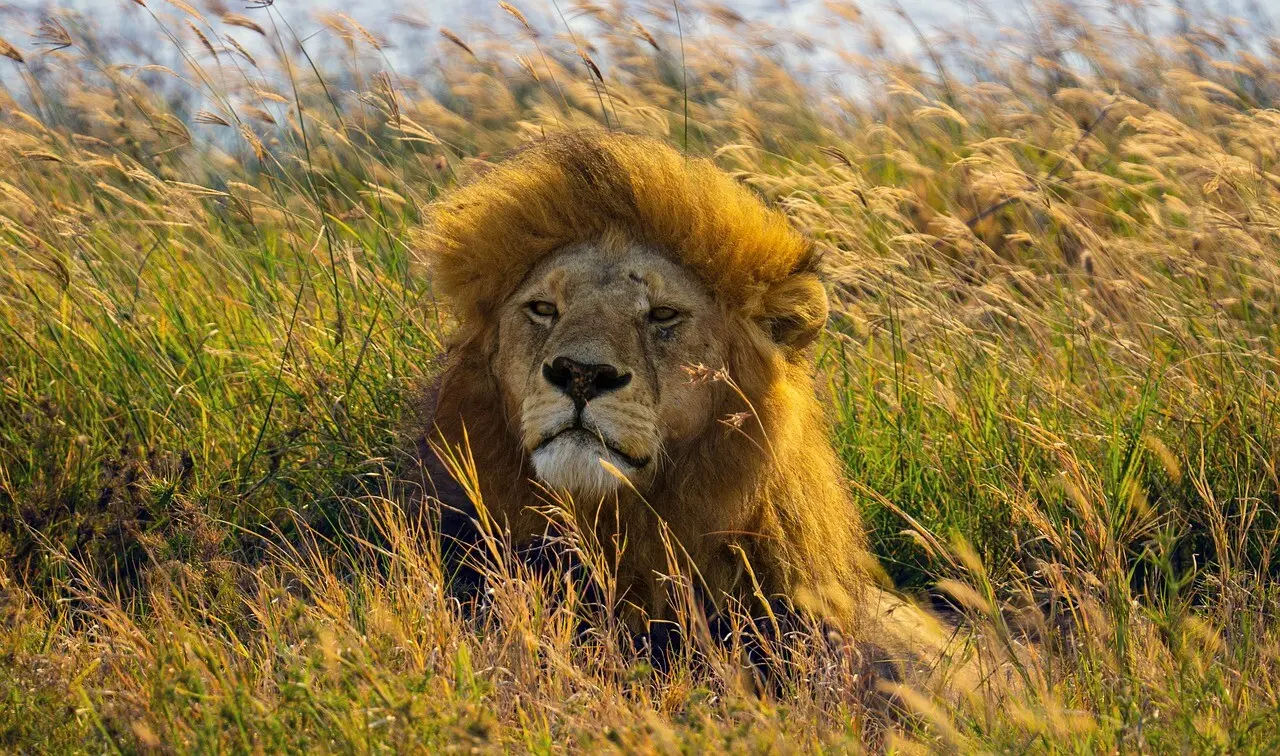
The Great Ruaha River and the seasonal sand rivers organise much of the game viewing. As water becomes scarce, elephant, buffalo and antelope gather near the remaining pools. Lions and other predators follow, while the riverine trees give welcome shade during the middle of the day.
Ruaha is also where eastern and southern African wildlife ranges overlap. Greater kudu are a strong possibility, while sable, roan, lesser kudu and African wild dog are among the more special sightings. None can be promised, which is exactly why a knowledgeable guide and enough time matter.
A Ruaha itinerary should leave space for long game drives and changes of plan. Distances between productive areas can be considerable, and racing back for every meal usually makes little sense.
Most days are built around private drives along the Great Ruaha, Mwagusi and other seasonal river systems. Early starts help with predators and cooler conditions.
Selected camps arrange guided walks with qualified guides and park rangers. The value is in tracks, plants, birds and the scale of the country—not getting close to large animals.
TANAPA records more than 570 bird species. The mix of miombo, river woodland and open country gives keen birders plenty to work with in every season.

Ruaha changes markedly with the rain. The best month depends on whether you want concentrated wildlife, green landscapes, birding or fewer visitors.
The usual dry season. Wildlife becomes increasingly tied to rivers and waterholes, roads are generally easier and many camps are open. September and October can be hot and very dry.
The park turns green, migrant birds arrive and young animals are seen. Rain can affect roads and some camps close for part of the long rains, so operating dates must be checked.
Ruaha combines naturally with Nyerere for a southern Tanzania safari, or with the north by scheduled flight connections. See our guide to Nyerere National Park and our wider Tanzania safari planning page. Flight schedules change by season, so we build the order around the actual operating days.
Most fly-in guests use Msembe or Jongomero airstrips. Driving from Iringa is possible and can make sense in a longer overland route, but Ruaha is not a quick road addition to the northern circuit.
Camps are spread across a very large park. A beautiful camp in the wrong place for your month can add hours of driving. We look at river conditions, road access, guiding, vehicle arrangements and how many nights you have before recommending where to stay.
Three nights is a sensible minimum for a fly-in safari. Four gives more room for a full-day drive, a guided walk or simply poor luck on one morning. For keen photographers, five can be worthwhile.
They are different. The Serengeti is unmatched for its open plains and migration system. Ruaha offers a drier, more varied landscape, fewer vehicles and wildlife associated with southern Tanzania. Many experienced safari travellers enjoy both for different reasons.
June to October is the main dry-season period, with animals increasingly concentrated near water. The green season has excellent birding, attractive landscapes and fewer guests, but access and camp openings need checking.
Yes. Scheduled flights often make this the most practical southern Tanzania combination. We normally allow at least three nights in each park rather than losing too much of the trip to transfers.
Yes, through selected camps and authorised guides. Walks depend on local conditions, guest ages and park arrangements, so they should be requested when the itinerary is planned.
It can be, particularly for travellers who value fewer vehicles and are comfortable with a remote camp. For those wanting the broadest first-time route, the northern circuit can be simpler. We will explain the trade-offs rather than push one answer.
Your dates, number of nights, wildlife interests and preferred camp level are enough to start. We will check the flights, the right area and current availability before proposing the route.