Northern Tanzania

Tarangire National Park

Elephants, baobabs and one of Tanzania’s most rewarding safari landscapes. A park worth spending time in, not simply passing through.

Private vehicleExperienced guidePlanned for your dates

Our view of Tarangire

Give the park time and it gives far more back

Tarangire is sometimes treated as a short stop on the way to the Serengeti. We think that does the park a disservice.

It is an old landscape of baobab-covered ridges, acacia woodland, seasonal swamps and the Tarangire River. During the dry months, the river becomes a lifeline for animals moving in from the surrounding Maasai Steppe. Elephants gather in family groups, while zebra, wildebeest, buffalo, giraffe and antelope move towards the remaining water.

The park is particularly good for travellers who enjoy watching animals properly rather than rushing from sighting to sighting. An elephant family feeding through the baobabs or coming down to drink is often more memorable than a hurried search for a checklist.

We have operated safaris in Tanzania since 1992. Tarangire has been part of our itineraries throughout that time, but we do not include it simply because it fits conveniently into the northern circuit. We use it when the season, route and amount of time available make sense.

Elephants in Tarangire National Park
Tarangire is one of Tanzania’s strongest elephant destinations.
2,850 km²National park area
550+Recorded bird species
2–3 nightsOur usual recommendation
Year-roundEach season feels different
Why visit Tarangire?

A different kind of northern Tanzania safari

Tarangire feels different from the Serengeti and Ngorongoro Crater. The landscape is more enclosed and varied than the open Serengeti plains. Roads wind between baobabs, river valleys, woodland and open grassland. Animals can appear quite suddenly from the bush or gather along river and swamp edges.

Tarangire is best known for elephants, but it should not be described as an elephant-only park. Lion, leopard, cheetah and spotted hyena occur here, together with buffalo, giraffe, zebra, wildebeest, impala, waterbuck, eland and hartebeest. Dry-country species, including fringe-eared oryx and gerenuk, may also be seen.

No game drive can guarantee a particular sighting. What a good guide can do is understand the season, read tracks and animal behaviour, and choose the part of the park most likely to produce a worthwhile day.

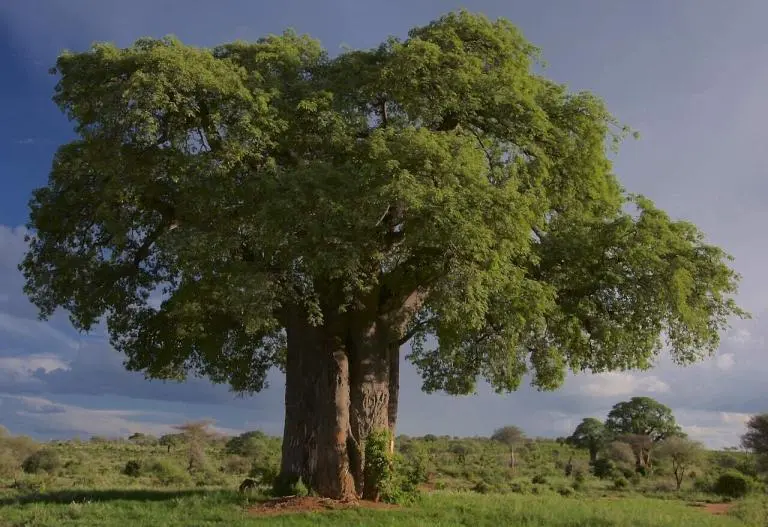
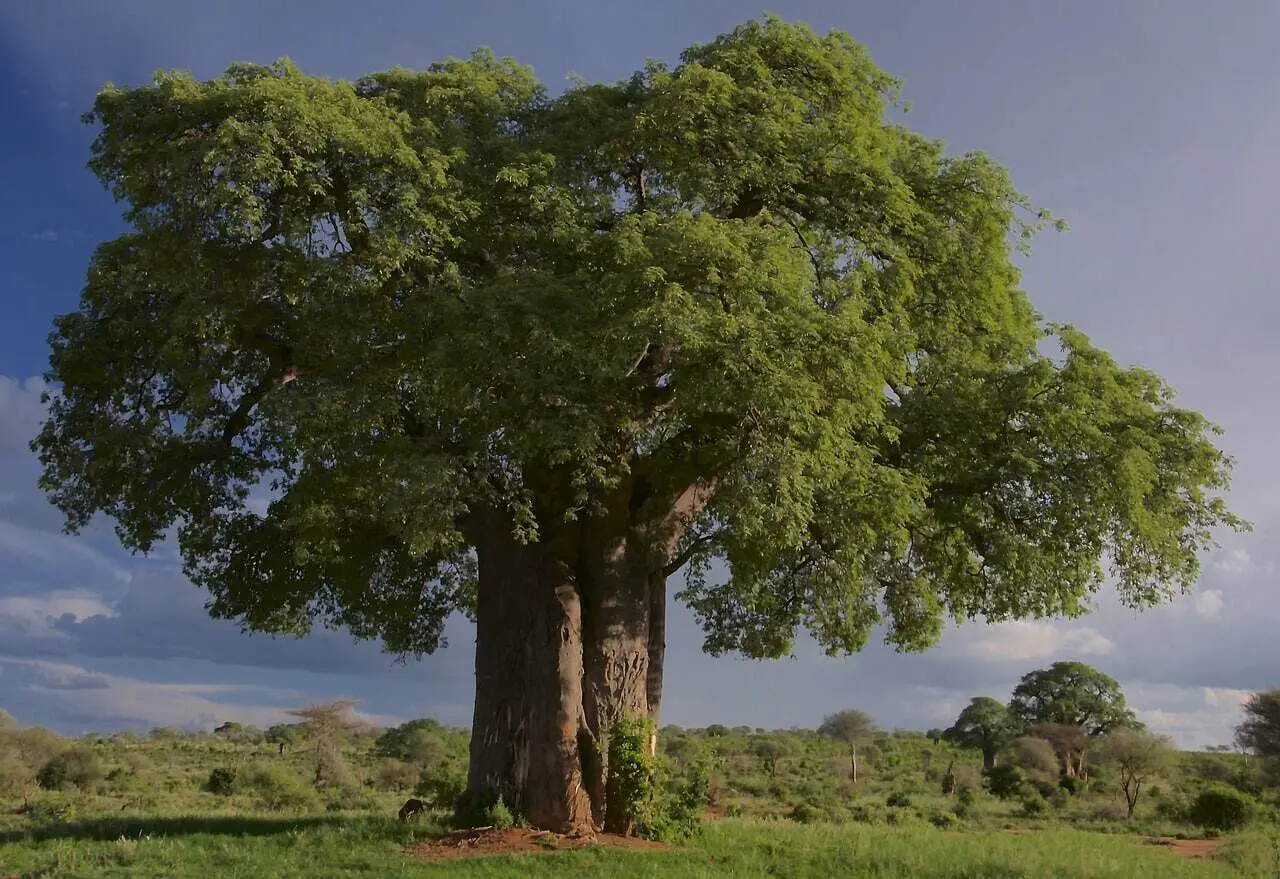
Baobab tree in Tarangire National Park
Baobabs give Tarangire much of its character.
River and baobabs

The shape of a Tarangire day

The park takes its name from the Tarangire River. As the surrounding country dries, the river and its remaining pools draw wildlife from a much wider ecosystem. Elephants dig in the sandy riverbed for water, animals follow established routes towards the river and predators take advantage of the concentration of prey.

A good Tarangire day is not always about covering as much ground as possible. Sometimes it is better to find a productive stretch of river, switch off the vehicle and watch.

Baobabs add their own character. Some stand alone across the grassland while others form galleries along ridges and river valleys. Early and late in the day, the trees cast long shadows and give photographers strong shapes against the sky.

When to go

The best time to visit Tarangire

There is no single month that suits everyone. The dry season produces the greatest concentration of animals, while the greener months bring clearer air, strong birding and fewer vehicles.

June to October · Main dry season

As surface water disappears across the wider ecosystem, animals move towards the Tarangire River and permanent swamp areas. Elephant herds can be particularly impressive. July through October is generally busiest, so where you stay and how your guide plans the day become important.

November and December · Short rains

The first rains bring fresh grass, clearer air and a noticeable change in the landscape. Some migratory animals begin dispersing, but resident wildlife remains. This can be a very attractive time for photography and the park is often quieter.

January and February · Warm and drier

Wildlife is less concentrated than later in the dry season, but Tarangire can still work well. The decision depends on the rest of the route, especially when a safari also includes Ndutu and the southern Serengeti.

March to May · Long rains

The park becomes green and productive, with excellent birding and fewer vehicles. Some roads can be muddy and not every camp remains open. We check current opening dates and conditions before recommending an itinerary.

How long to stay

One day introduces Tarangire. Two nights let you enjoy it.

1

One full day

A useful introduction when time is limited, but your guide must be selective about which part of the park to explore.

2

Two nights

Our normal recommendation: an arrival drive, a proper full day and a final morning before continuing through the northern circuit.

3

Three nights

Worth considering for elephant behaviour, birding or photography, and for travellers who prefer fewer camps and a slower pace.

We would rather include Tarangire properly or leave it out than place it into an itinerary as a rushed box-ticking stop.

Private Tanzania safari vehicle on a game drive

Your day, not a timetable

A private vehicle gives the day room to breathe

Leave early with a picnic lunch and remain out for most of the day, or return to camp for a hot lunch and rest before an afternoon drive. Photographers may want the first light. Families may prefer a shorter morning. Keen birders may spend longer in an area another vehicle would pass.

Your guide will discuss the options and make recommendations based on what is happening in the park.

Where to stay

Choose the camp for the journey, not the name

There are camps and lodges inside the national park, along its boundaries and in the wider Tarangire–Manyara ecosystem. Staying inside can reduce gate time and make early mornings easier. Properties outside may offer excellent views, more space and specialist activities, depending on their location and current permissions.

Camps change, managers move and the experience can vary between seasons. We do not recommend accommodation from a fixed list. We look at:

  • Your month of travel
  • Current camp availability
  • Position on the following day’s route
  • Guiding and service standards
  • Classic or luxury travel style
  • Family-room requirements
  • Time actually available in the park
  • Your overall safari budget
Tented safari camp in Tanzania
We check current camps and availability before preparing a proposal.
Who Tarangire suits

A park with more than one way to experience it

Families

Elephants are engaging for children because there is always behaviour taking place within the herd. We plan sensible drive lengths, meal stops and family-friendly accommodation rather than expecting children to follow an adult timetable.

Photographers

Baobabs, riverbeds, termite mounds and elephant herds create strong environmental photographs. A private vehicle gives you more control over positioning and time at a developing sighting.

Birders and repeat visitors

With more than 550 recorded species and varied habitats, Tarangire rewards travellers who look beyond the larger animals. It is also an excellent contrast to the open plains of the Serengeti.

Large baobab tree in northern Tanzania
Beyond the game drive

Walking, ballooning and special activities

Depending on location, current park regulations and availability, Tarangire may offer guided walking safaris, hot-air ballooning, bush meals and sundowner experiences.

Walking must be arranged with appropriately authorised guides or rangers. Age restrictions and other conditions can apply. We confirm what is genuinely operating for your dates before including anything in an itinerary.

We do not add activities merely to make a programme look busy. A well-planned game drive with an experienced guide remains the foundation of a Tarangire safari.

Planning the route

How Tarangire fits into a northern Tanzania safari

From Arusha, the drive is normally around two and a half to three hours before stops and gate formalities. Tarangire therefore works at the beginning or end of a route combining Lake Manyara, Ngorongoro Crater and the Serengeti National Park.

ArushaMeet your private guide
TarangireElephants and baobabs
NgorongoroHighlands and crater
SerengetiPlains and seasonal wildlife

We look at the journey as a whole. The shortest route on a map is not always the best use of a safari day.

Questions we are often asked

Tarangire safari FAQs

Is Tarangire National Park worth visiting?

Yes, particularly if you enjoy elephants, baobab landscapes, birding and less hurried game viewing. It is most rewarding when given at least one full day.

What is Tarangire famous for?

Its elephant herds, ancient baobab trees, the Tarangire River and the large concentrations of wildlife that gather during the dry season.

What animals can I see?

Elephant, buffalo, giraffe, zebra, wildebeest, impala, waterbuck, eland and hartebeest are among the herbivores. Lion, leopard, cheetah and spotted hyena are present. Oryx and gerenuk may also be seen.

Can I see the Big Five in Tarangire?

Tarangire is not a reliable place to complete a Big Five checklist because rhino are not normally part of the park’s safari experience. It is, however, one of Tanzania’s strongest elephant destinations and supports lion, leopard and buffalo.

Is Tarangire crowded?

The roads near the northern entrance can become busy during the dry-season peak. Starting early, staying longer and travelling farther into the park can produce a much better experience.

Can Tarangire be visited from Arusha in one day?

It is possible, but it creates a long day and limits how deeply you can explore. Where time allows, we prefer at least two nights in or near the park.

Is the rainy season suitable?

Yes, with a flexible plan. The landscape is green, birdlife is excellent and there are fewer vehicles. Some roads may be difficult after heavy rain and not every seasonal camp remains open.

Are your Tarangire safaris private?

Our tailor-made safaris use a private four-wheel-drive vehicle and experienced guide. This allows us to adjust the day around your interests, pace and current wildlife conditions.

Start planning

Let us fit Tarangire into the right journey

Tell us when you want to travel, how long you have and what matters most to you. We will check the season, current camp availability and how Tarangire fits the rest of your route before preparing a private proposal.

Plan My Private Safari

No booking obligationPersonal response within 24 hoursCurrent camp availability checked

Request More Information

Error: Contact form not found.

After you click send, you will be taken to a new page.